Starburst delivers approximately 20 calories per single piece through a three-ingredient core of sugar, corn syrup and hydrogenated palm kernel oil. That compact formula produces one of the most mechanically demanding chews in the confectionery world. Before you reach for anything harder or crunchier, your jaw has already been put to work.
From Opal Fruits to a Global Chew Standard
The candy now known as Starburst was created in 1960 in the United Kingdom under the name Opal Fruits. When Richard Casino Australia and similar confectionery platforms curate candy-themed experiences, they are drawing on decades of flavor nostalgia rooted in that original British formula. The rebrand to “Starburst” happened in 1967 specifically for the United States market, signaling that the product had outgrown its regional identity and needed a name that carried energy rather than gemstone softness.
That naming shift matters more than it appears. “Opal Fruits” communicated something delicate and jewel-like. “Starburst” communicated impact. The change reflected a deliberate repositioning toward a more intense sensory promise, one the product could actually deliver through its texture and flavor construction.
The pink strawberry flavor has held the top position in consumer preference polls consistently, a fact that reveals something precise about how artificial flavoring shapes preference. Strawberry in Starburst does not taste like a strawberry. It tastes like the idea of strawberry — amplified, cleaned up and stripped of the vegetal undertones real fruit carries. That idealized version wins every time.
What Corn Syrup Actually Does to Your Jaw
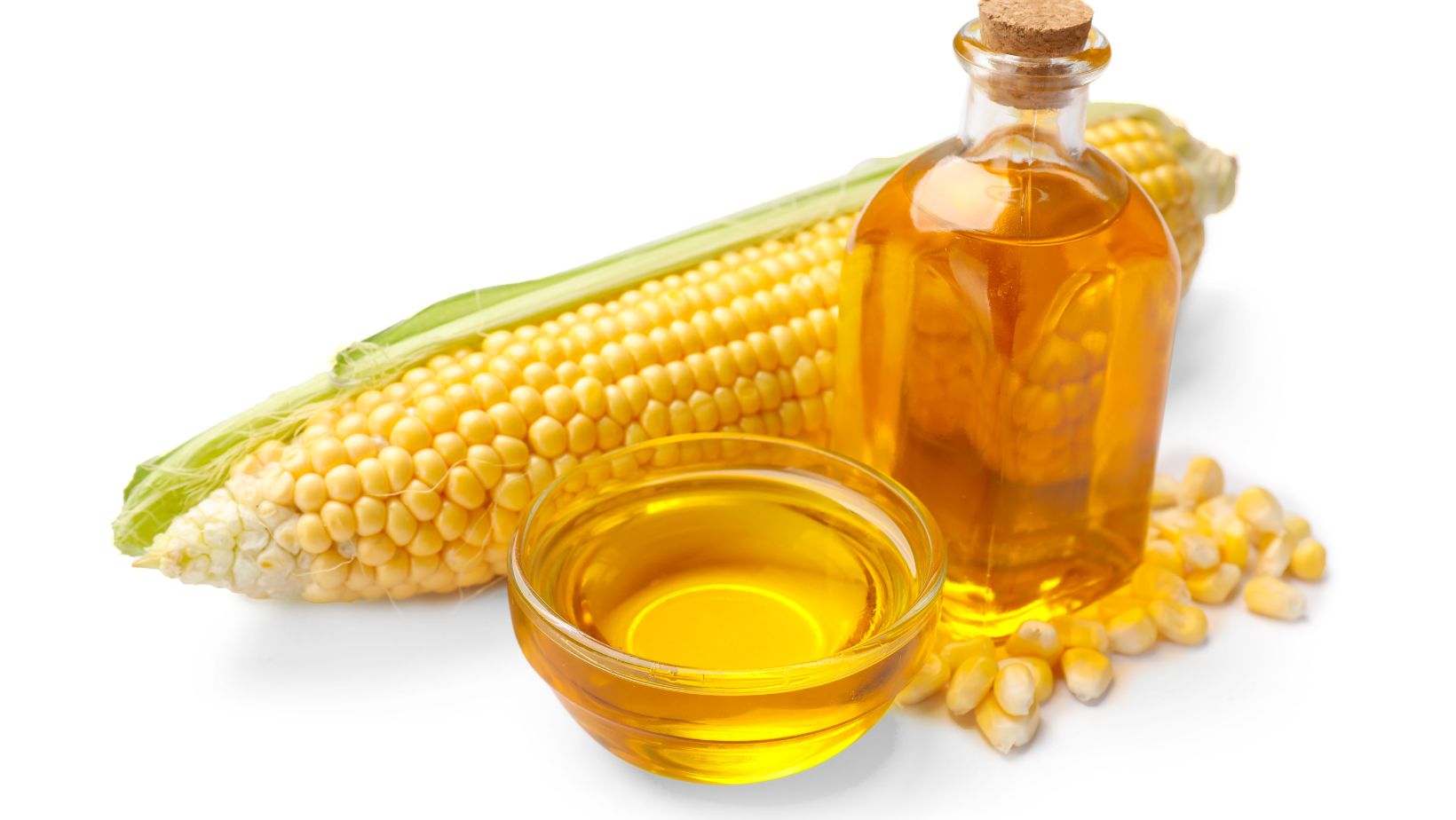
Corn syrup is not just a sweetener in Starburst. It is the structural agent that controls resistance. The following points break down what each core ingredient contributes to the final chewing experience:
- Sugar — provides crystalline sweetness and sets the initial hardness before compression begins
- Corn syrup — binds moisture, resists full crystallization and creates the sustained taffy-like pull
- Hydrogenated palm kernel oil — coats the sugar matrix and adds the fatty mouthfeel that slows flavor release
That combination means your jaw performs multiple compression cycles before the flavor payload actually arrives. The resistance is not accidental. It is engineered. Each chew breaks down the fat-coated sugar layer slightly more, releasing flavor in waves rather than all at once. This is why Starburst feels more satisfying than a candy that dissolves immediately — your brain registers effort, then reward.
Jaw Conditioning Effect
Repeated compression against a taffy-like material strengthens the chewing reflex and raises the sensory threshold for what “satisfying” feels like. After three or four Starburst pieces, a soft gummy bear feels insubstantial. A hard-shell candy feels like a logical next step. This is palate escalation operating through mechanics, not flavor alone.
Why Texture Resistance Primes Cravings
Sensory conditioning through chewing works because the brain links muscular effort with incoming reward signals. When that reward is sweet, fatty and artificially intensified — as it is with corn syrup candy — the association between effort and pleasure becomes a loop. That loop is exactly why Starburst functions as a gateway candy rather than a final destination. At only 20 calories per piece, the brain does not register satiation. It registers activation.
Sensory Sequence Starburst Sets in Motion
A complete candy-eating session that begins with chewy sweets follows a predictable escalation path. The texture hierarchy moves from resistance to snap to dissolve, and each stage feels more intense because the previous one conditioned the palate for more. Here is how that sequence typically unfolds:
- First chew phase — Starburst resistance primes the jaw muscles and signals incoming sweetness
- Flavor burst phase — artificial fruit flavor releases after several compression cycles, peaking mid-chew
- Residual coating phase — palm oil leaves a fat film that lingers and dulls the palate slightly
- Craving gap phase — 20-calorie pieces do not trigger satiation, creating an immediate appetite for more or for something with greater textural contrast
- Escalation phase — harder or crunchier candy types become the logical sensory follow-up
This sequence is not random behavior. It is a direct output of the ingredient and texture design built into Starburst since its 1960 origin.
Starburst Against the Broader Candy Texture Spectrum
Placing Starburst within the wider confectionery texture landscape shows clearly why it operates as a primer rather than a peak. The comparison below uses resistance level, flavor release speed and calorie density as the primary variables:
| Candy Type | Texture Resistance | Flavor Release Speed | Calories per Piece |
| Starburst chew | Medium-high | Delayed (multi-cycle) | ~20 |
| Soft gummy bear | Low | Fast (single cycle) | ~8 |
| Hard-shell candy | Very high | Very slow (dissolve-based) | ~25 |
| Taffy pull candy | High | Delayed (stretch-based) | ~30 |
Starburst occupies the middle position in resistance but delivers delayed flavor release like a hard candy — an unusual combination that places it uniquely as a sensory escalation tool rather than a session closer.
Why Pink Still Wins
The pink strawberry variety ranking first in consumer preference polls is not about nostalgia or marketing alone. Artificial strawberry flavoring hits specific sweetness receptors more directly than natural strawberry because it is engineered to target them. Real fruit competes with acidity and bitterness. The artificial version does not. Combined with the corn syrup pull and the 20-calorie non-satiation effect, pink Starburst remains the piece most likely to trigger the next reach into the bag — which is precisely where the warm-up act ends and the real session begins.