

Imagine a rich tapestry woven from centuries of history, vibrant rituals, and a dash of modern flair. Enter Mahliayanna, a term that echoes through the cultural corridors of multiple regions, each interpreting it in fascinating ways. For those unfamiliar, Mahliayanna is not just a word: it embodies traditions, practices, and a sense of identity that continues to evolve. In this text, we’ll explore its historical roots, regional variations, and contemporary significance, all while uncovering what makes Mahliayanna a captivating subject worthy of your attention.
mahliayanna
Historical Roots and Origins
Mahliayanna traces its origins deep within the annals of cultural history, thriving where stories were passed down through generations. It reflects a fusion of indigenous beliefs and practices that have shaped communities over time. This ancestral connection fosters a sense of belonging, making each celebration of Mahliayanna a testament to resilience and adaptation. Legends hint at its beginnings, where ancient ceremonies aimed to honor the earth and ancestors. As history unfolded, Mahliayanna metamorphosed, absorbing influences from neighboring cultures, intertwined yet distinct, much like a river merging into the sea.
Cultural Practices and Rituals
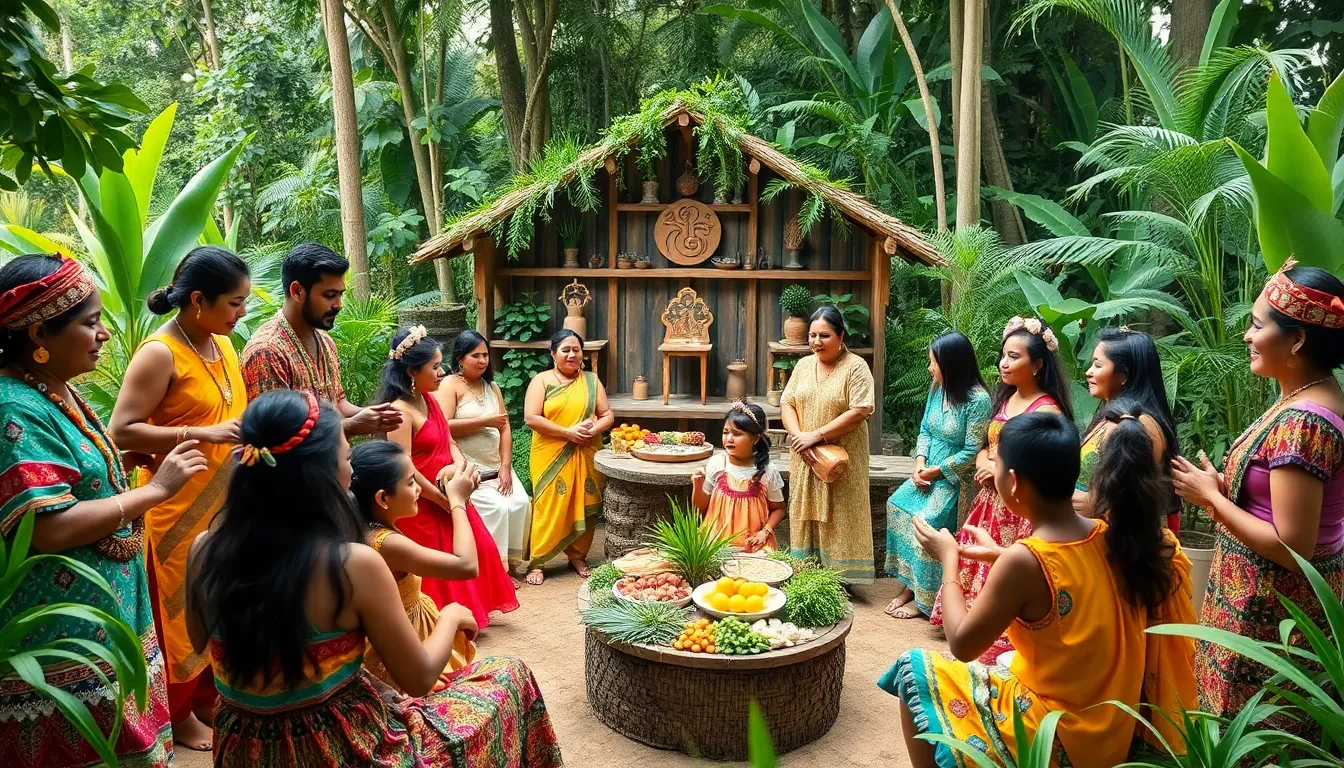
The rituals surrounding Mahliayanna encompass a variety of practices, each richly layered with meaning. They often include celebrations that mark the changing seasons, agricultural cycles, or significant life events. Families come together to partake in these ceremonies, creating an atmosphere of joy and respect. Common elements may involve traditional music, dance, and the sharing of stories. Food also plays a significant role, often prepared using age-old techniques that amplify the flavors and emotions tied to the celebrations. Each ritual pulsates with life, serving not only to honor the past but also to strengthen communal bonds.
Variations Across Regions
Modern Interpretations of Mahliayanna
In today’s fast-paced world, Mahliayanna finds itself reinterpreted through various cultural lenses. Urban centers, where tradition meets modernity, showcase an exciting blend. Here, young people may celebrate Mahliayanna with contemporary twists, think live music festivals intertwined with ancient dances. Social media has also played a transformative role, allowing diverse interpretations of Mahliayanna to spread widely and spark conversations. Some reinterpret the rituals, transforming them into causes for social change, highlighting issues such as environmental conservation or cultural heritage preservation.
Artistic Expressions and Literature
Art has become a vibrant canvas on which Mahliayanna is beautifully expressed. Artists across disciplines explore themes rooted in Mahliayanna, creating visual art, literature, and performance pieces. From paintings depicting traditional scenes to contemporary literature addressing complex cultural dynamics, Mahliayanna inspires creativity. Authors may weave narratives that speak to personal experiences intertwined with Mahliayanna, so offering multiple layers of meaning. This interplay between art and tradition ensures that Mahliayanna continues to resonate in modern times.
Influence on Contemporary Society
Challenges and Controversies
But, the evolution of Mahliayanna isn’t without its challenges. One significant issue arises around cultural appropriation, where elements of Mahliayanna are adopted by outsiders without understanding its rich context. This can lead to dilution of meaningful practices, drawing ire from those who hold Mahliayanna sacred. Also, globalization presents a paradox: while it allows for broader recognition, it can also threaten the integrity of traditional practices. Enthusiastic adaptations seen in pop culture may risk oversimplifying complexities, creating a jarring contrast between authenticity and commercialization.
Preservation Efforts and Future Outlook
Efforts to preserve Mahliayanna are ongoing, with communities rallying to maintain its relevance. Schools and local organizations play a crucial role in educating younger generations about the significance of these traditions. Through workshops, storytelling sessions, and cultural exchange programs, they ensure that the essence of Mahliayanna is not lost. Initiatives aimed at documenting rituals and practices can also be found, fueled by a desire to safeguard cultural legacies for future generations. The future of Mahliayanna appears promising, with a growing recognition of its importance in understanding cultural identities.