

When it comes to crushing your workouts, wearing the right fitness clothing is like having a secret superpower. Imagine trying to lift weights in heavy jeans or doing yoga in a parka, yikes. Not only is that a fashion faux pas, but it could also seriously hinder your performance. So, let’s jump into the world of fitness gear that not only supports your active lifestyle but also makes you look like a rock star while doing it. This guide will break down everything from what fitness clothing to choose, to the latest in sustainable options. Kick back and get ready to elevate your workout wardrobe.
Fittnesskläder
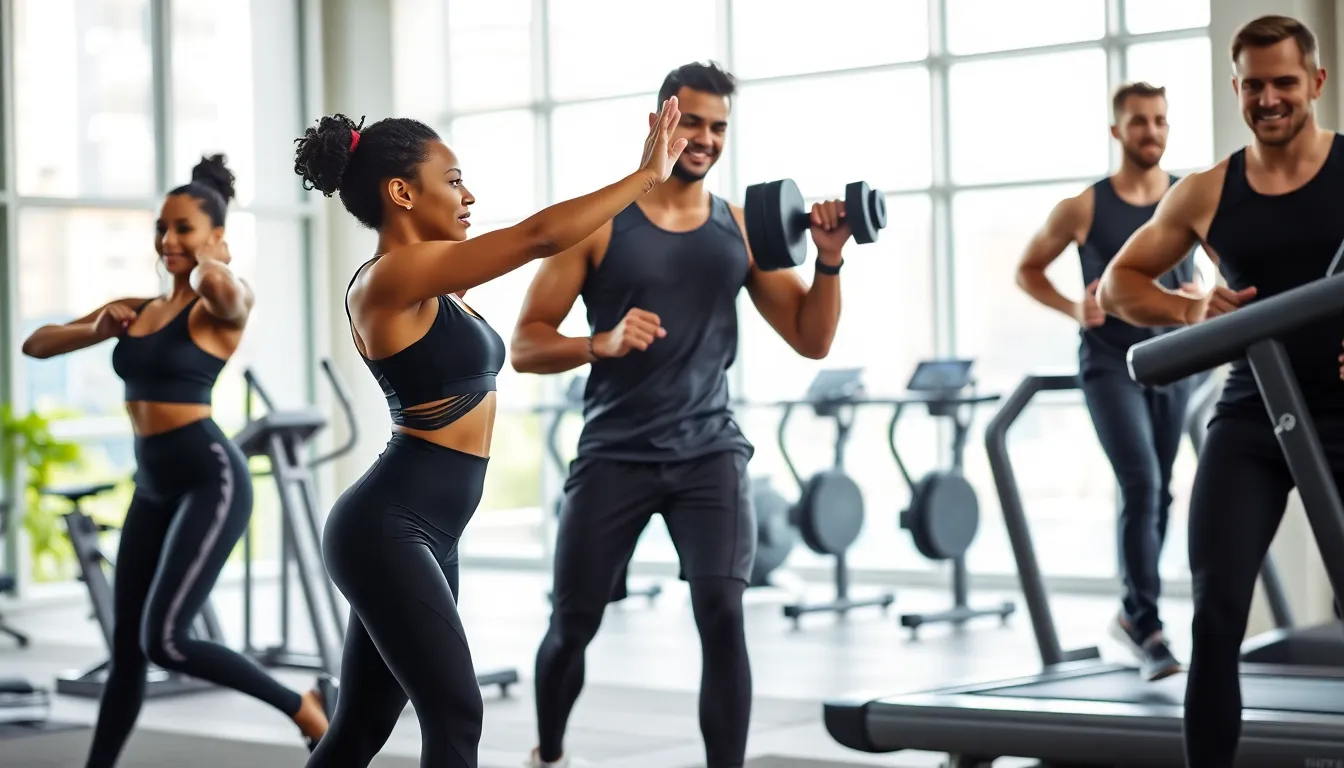
Fitness clothing is more than just trendy athleisure: it’s a critical component to achieving an optimal workout experience. This type of clothing is specifically designed to help wearers perform better during physical activities while ensuring comfort and support. Proper fitness clothing prevents chafing, regulates temperature, and enhances mobility. It’s tailored to fit various activities, whether it’s running, yoga, or weightlifting, thereby offering the necessary specifications required for each unique pursuit. Let’s face it, the right outfit can significantly influence one’s motivation and confidence, helping one to walk into the gym feeling like a champion.
Types of Fitness Clothing
Different activities demand specific attire. Here’s a breakdown of the essential types of fitness clothing:
Activewear Tops
From tank tops to long-sleeved shirts, activewear tops are typically made from moisture-wicking materials designed to keep sweat away from the body.
Bottoms
Leggings, shorts, and joggers fall under this category, each serving a purpose tailored to various workouts. While shorts offer breathability, leggings provide support and warmth.
Sports Bras
A fundamental piece for anyone with a chest, sports bras come in a variety of styles and support levels, catering to everything from low-impact yoga to high-intensity interval training.
Footwear
Not technically clothing, but still essential, the right shoes will complement any fitness outfit. They need to offer appropriate support and cushioning, fitting the activity, whether it’s running shoes or weightlifting sneakers.
Accessories
Hats, headbands, and gloves can enhance performance and comfort in different conditions. Don’t underestimate the power of a good cap to keep the sun away while you run.
Materials Used in Fitness Clothing
When it comes to fitness clothing, the fabric used is crucial. Common materials include:
Polyester
Drying quickly and resisting wrinkles, polyester is popular due to its lightweight durability. It’s often mixed with other textiles to enhance moisture management.
Nylon
Known for its strength and stretch, nylon is perfect for items that require flexibility, making it a favorite for activewear.
Spandex
This material offers the ultimate flexibility and form-fitting characteristics, making it a popular choice for leggings and fitted tops.
Merino Wool
For those focused on sustainable options, Merino wool offers excellent thermal insulation while staying lightweight and breathable, making it suitable for cooler climates.
Bamboo
An eco-friendly choice, bamboo fabric is soft, breathable, and has natural antibacterial properties, perfect for those seeking sustainability in their wardrobes.
Choosing the Right Fit for Your Activity
Finding the ideal fit for fitness clothing can be the difference between an empowering workout and a frustrating experience. The key factors to consider are:
Activity Level
A snug fit might be necessary for high-intensity workouts, enabling movement without excess fabric getting in the way. For low-impact activities, a looser fit can offer comfort.
Body Type
Understanding one’s body type can help in selecting suitable cuts, allowing for both style and function. Whether one prefers high-waisted leggings or fitted shorts, personal preference should guide their choices.
Layering
For outdoor activities, layering can ensure thermal regulation. Start with moisture-wicking base layers, add insulating mid-layers, and complete it with a durable outer shell for weather elements.
Evaluating these factors can lead to improved performance while keeping one stylish.
Care and Maintenance of Fitness Clothing
Maintaining fitness clothing is vital for prolonging its life. A few tips can go a long way:
Washing
Most fitness clothing should be washed in cold water to prevent damage to the fabric and maintain elasticity. Avoid using fabric softeners as they can clog the moisture-wicking properties.
Drying
Hang dry whenever possible to avoid wear and tear from dryers. If using a dryer, select a low heat setting to reduce potential damage.
Storage
Be sure to store fitness clothing away from direct sunlight to prevent fading. Organizing by type and frequency of use can streamline access before workouts.
Sustainable Options in Fitness Clothing
With an increasing focus on sustainability, fitness clothing brands are stepping up. Here are eco-friendly options:
Recycled Materials
Many brands now use recycled fabrics in their clothing, significantly reducing waste in production. Polyester made from recycled PET bottles is becoming increasingly common.
Organic Cotton
Organic cotton is grown without harmful chemicals, making it much better for the environment. Look for brands that offer this option, especially for casual fitness wear.
Eco-Conscious Brands
Investing in, or supporting brands that prioritize ethical production processes, often ensures a quality product that’s sustainable.
Diving into sustainable options not only reduces environmental impact but can also make consumers feel good about their choices.