

Caviar, often synonymous with luxury dining and opulent gatherings, has long been viewed as a delicacy reserved for the refined palate. Its origins trace back centuries, and it is traditionally served on blinis, toast points, or as a garnish to enhance seafood dishes. Yet, in the modern culinary landscape, chefs and home cooks alike are increasingly challenging conventional norms, experimenting with caviar in ways that surprise and delight. The subtle brininess, creamy texture, and visual elegance of caviar make it a versatile ingredient capable of elevating both simple and complex recipes. This article explores innovative ways to incorporate caviar into unexpected culinary contexts, bridging traditional luxury with contemporary creativity.
The Allure of Caviar
Caviar consists of salt-cured fish eggs, most commonly sourced from sturgeon. Its flavor profile is delicate, with hints of the ocean, nuttiness, and a creamy mouthfeel that bursts on the palate. While the most famous varieties—Beluga, Osetra, and Sevruga—can command high prices, even modest amounts can profoundly impact a dish’s flavor and presentation. Beyond taste, caviar’s visual appeal—the glossy, translucent pearls—adds a sophisticated touch to any plate, making it an ideal ingredient for chefs seeking to impress.
What makes caviar particularly intriguing in experimental cooking is its versatility. It can enhance both savory and sweet dishes, act as a condiment, or serve as a decorative accent. Unlike many luxury ingredients, its role does not have to dominate a dish; even a small spoonful can create a unique flavor contrast.
Caviar in Breakfast and Brunch
Traditionally, caviar graces hors d’oeuvres or formal dinners, but experimenting with breakfast recipes offers unexpected delight. Consider pairing caviar with scrambled eggs. While scrambled eggs are often creamy and mild, adding a dollop of caviar just before serving introduces a burst of saltiness and texture contrast. The eggs’ softness complements the firm, delicate beads, transforming an ordinary breakfast into a luxurious experience.
Pancakes and waffles, often associated with sweet toppings like syrup or berries, also provide a canvas for innovation. Savory variants topped with crème fraîche, chives, and caviar balance richness with brininess, turning a comfort food staple into a gourmet dish. For an extra layer of flavor, some chefs drizzle a hint of lemon or infused oil, enhancing the caviar without overpowering it.
Reinventing Traditional Pasta and Risotto
Italian cuisine, known for its focus on simplicity and fresh ingredients, may seem an unlikely candidate for caviar experimentation. Yet, integrating caviar into pasta or risotto highlights how luxury can elevate familiar dishes. A classic example is pasta with butter and cream sauce. Adding a small spoonful of caviar at the final stage infuses the dish with a subtle umami punch, complementing the richness of the sauce.
Risotto, with its creamy, starchy texture, is another excellent medium. Imagine a lemon-infused risotto dotted with caviar pearls; the citrusy notes lift the brininess of the caviar while maintaining the dish’s comforting depth. The pearls can either be gently stirred in for even distribution or delicately placed atop the finished plate for visual drama.
Caviar Beyond Savory: Sweet Applications
While caviar is predominantly savory, adventurous chefs have begun exploring its role in sweet creations. Chocolate and caviar might seem like an unlikely pair, but the contrast of deep, slightly bitter cocoa with salty, briny eggs can be surprisingly harmonious. For example, chocolate truffles with a tiny caviar garnish offer a complex flavor experience, with the salt accentuating the chocolate’s nuances.
Pastries, too, provide a playful avenue for experimentation. Puff pastry bites filled with mascarpone or cream cheese, finished with a caviar topping, offer a sophisticated appetizer or dessert hybrid. The contrast between the buttery, flaky pastry, creamy filling, and salty caviar creates a multidimensional experience that challenges conventional expectations.
Innovative Drinks and Caviar Pairings
Caviar is not limited to solid foods; its delicate flavor can also enhance beverages. Champagne and vodka are classic accompaniments, but modern mixologists are experimenting further. Consider a savory martini topped with a small spoonful of caviar or cocktails incorporating citrus and herbal notes paired with a side of caviar pearls. These additions transform drinks into immersive tasting experiences, blending visual appeal with intricate flavor profiles.
Non-alcoholic beverages also benefit from caviar experimentation. Sparkling water with a hint of lemon and a floating caviar garnish can elevate a simple drink, creating conversation-worthy presentation without alcohol.
Cooking Techniques to Preserve Caviar Integrity
When experimenting with caviar, the key challenge is preserving its delicate texture and flavor. High heat or prolonged cooking can destroy the eggs’ characteristic pop and alter their taste. To maintain caviar’s integrity, chefs often introduce it at the final stage of preparation, using gentle folds or as a finishing garnish. Pairing it with creamy or fatty bases, such as butter, crème fraîche, or avocado, helps balance its saltiness and accentuates its subtle umami.
Additionally, temperature contrast plays a crucial role. Serving cold caviar atop warm dishes creates an exciting sensory experience, with the beads gently melting in the mouth while releasing their briny notes. Similarly, combining it with cold elements, like chilled custards or fresh fruits, preserves its texture while allowing flavor layers to develop.
Ethical and Sustainable Considerations
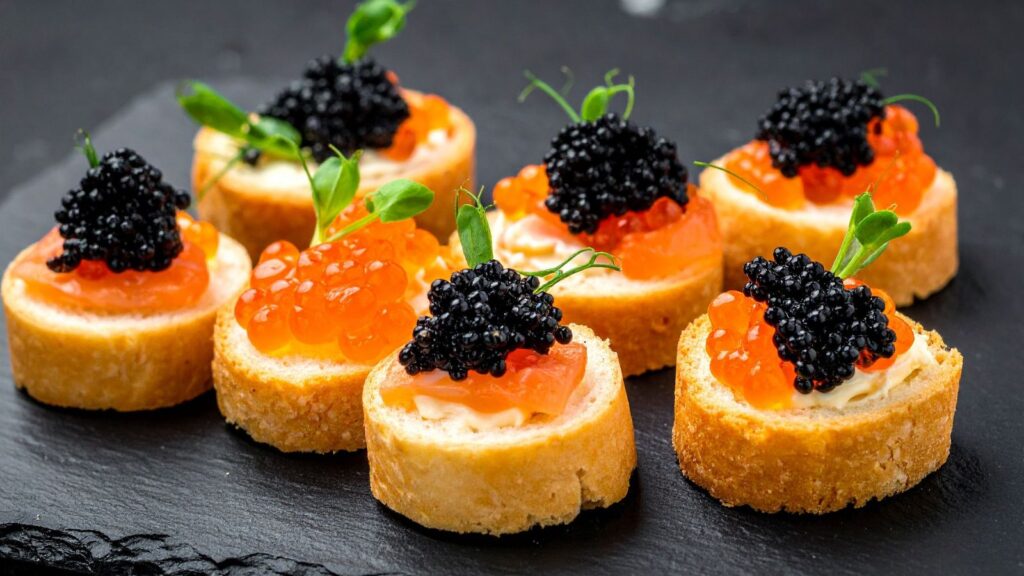
As caviar grows in popularity, ethical sourcing has become increasingly important. Overfishing and illegal sturgeon harvesting have endangered some species. Fortunately, aquaculture and sustainable caviar farms now offer responsible alternatives, allowing chefs and home cooks to experiment without compromising environmental integrity. For high-quality and ethically sourced options, The Caviar House offers a range of premium caviars that meet these standards while providing exceptional flavor. Choosing sustainably sourced caviar supports both conservation efforts and the long-term availability of this luxury ingredient, making culinary experimentation ethically sound.
The Role of Presentation
Caviar is inherently photogenic, and presentation significantly impacts the dining experience. Using contrasting colors, textures, and plate shapes enhances the perceived value of the dish. For instance, placing caviar atop bright yellow polenta, creamy avocado, or even a vibrant fruit compote creates a striking visual appeal. Even simple dishes benefit from this attention to aesthetics; the small, glossy pearls act as edible jewels, elevating the entire presentation.
Modern plating trends also encourage deconstruction and playful arrangements. Instead of a single spoonful, some chefs scatter caviar pearls across the plate, creating movement and intrigue. The goal is not only flavor enhancement but also a multisensory experience that engages the eye, the palate, and the imagination.
Inspiring Home Experiments
Home cooks don’t need Michelin stars to experiment with caviar creatively. Start with small amounts and familiar recipes—eggs, pasta, or toast—and explore subtle enhancements. Even simple additions, like a caviar garnish on avocado toast, can make breakfast feel extraordinary. The key is restraint: caviar is potent, and its impact is magnified when used thoughtfully. Experimentation is as much about exploration as it is about balance and harmony.
For adventurous cooks, themed tasting evenings can be an enjoyable way to showcase caviar in unexpected ways. Pairing caviar with unconventional accompaniments—like melon, pickled vegetables, or infused oils—can reveal surprising flavor combinations and expand understanding of its versatility.
Conclusion
Caviar is no longer confined to formal dining or traditional recipes. Its adaptability and elegance make it an exciting ingredient for culinary experimentation. From breakfast and brunch to pasta, risotto, desserts, and even drinks, caviar offers endless possibilities for innovation. The key lies in respecting its delicate nature, thoughtfully pairing flavors, and embracing creative presentation.
By exploring caviar in unconventional ways, chefs and home cooks alike can transform everyday dishes into luxurious experiences, offering not only indulgence but also a deeper appreciation for the artistry and complexity of flavor. With sustainability in mind and a playful approach to experimentation, caviar’s culinary potential is virtually limitless—inviting the bold and curious to reimagine what this iconic delicacy can achieve in the modern kitchen.