
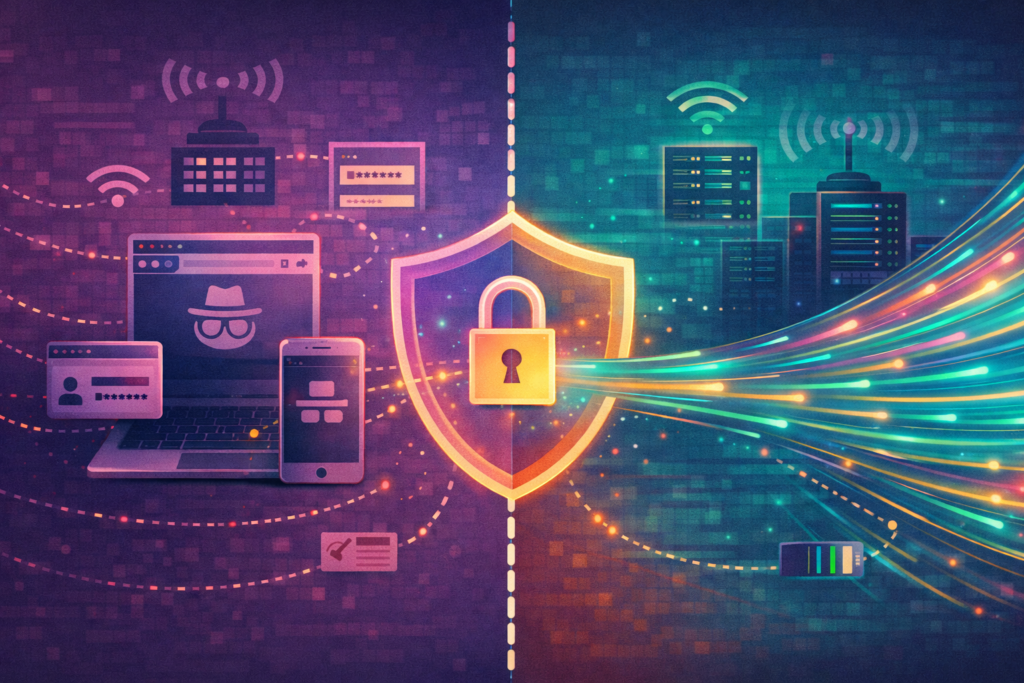
Online privacy and security have become everyday concerns. Whether you are browsing at home, working remotely, or connecting to public Wi-Fi, your internet traffic can be exposed in ways you may not expect. A VPN like Planet Free VPN helps protect your connection by creating a secure path between your device and the internet, reducing unwanted visibility into your online activity.
For beginners, VPN technology can sound complicated at first. In reality, the core idea is simple: a free VPN adds a layer of protection that helps keep your data private and your connection more secure. This guide explains how a free VPN works, what it can realistically offer, and how to decide if it fits your everyday needs.
What Is a VPN and Why Do People Use It?
A VPN is a tool designed to secure your internet connection and improve privacy. Instead of sending your data directly through your internet service provider, a VPN routes it through a secure server first.
The Basics of Virtual Private Networks
When you use a VPN, your internet traffic is encrypted and sent through a protected “tunnel.” This makes it much harder for third parties to inspect or interfere with your connection. At the same time, your real IP address is masked, helping reduce location-based tracking.
Common Reasons People Turn to VPNs
Many users rely on VPNs to:
- Protect personal data on public Wi-Fi networks
- Reduce tracking during everyday browsing
- Add an extra layer of privacy when accessing online services
For casual users, a free VPN can cover these basic needs without requiring a paid subscription.
How VPN Technology Works in Simple Terms
Behind the scenes, VPNs rely on a few core technical processes that work together to secure your connection.
Secure Connections and Encrypted Traffic
When you connect to a VPN, your device first authenticates with a VPN server. Once connected, your data is encrypted, meaning it is transformed into unreadable information for anyone without the proper key. This encrypted data then travels through a secure tunnel to the VPN server and onward to the internet.
VPN Protocols Explained for Beginners
VPN protocols define how this secure connection is established and maintained. Common protocols include OpenVPN, WireGuard, and IPSec. Each protocol balances security, speed, and compatibility slightly differently, but all are designed to protect your data during transmission.
Free VPNs vs. Paid VPNs: What’s the Difference?
Free and paid VPNs are built on the same core technology, but they serve different types of users.
How Free VPN Services Operate
Free VPN services often support their platforms through limited features, optional upgrades, or alternative revenue models. This allows users to access basic protection without upfront costs.
Typical Limitations of Free VPNs
Compared to paid plans, free VPNs may include:
- Fewer server locations
- Lower connection speeds during peak usage
- Data or feature limits
For basic browsing and occasional protection, these limits are usually manageable.
How Free VPN Services Make Money
Understanding how free VPNs operate helps users make informed choices.
Advertising and Freemium Models
Some free VPNs display ads or offer premium plans alongside their free version. This “freemium” approach allows users to try the service before deciding whether they need additional features.
Privacy Considerations
Not all free VPNs follow the same privacy practices. Reviewing a provider’s privacy policy and transparency is essential when choosing a service intended to protect your data.
Security Considerations When Using a Free VPN
A free VPN can improve privacy, but users should still pay attention to security fundamentals.
Choosing a Trustworthy Service
A reliable free VPN should clearly explain how it handles user data, use modern encryption standards, and avoid unnecessary data collection. Transparency and simplicity are key indicators of a service designed with users in mind.
Understanding Data Policies
Before using any VPN, it’s worth checking whether the service keeps activity logs and how long data is stored. Clear, user-focused policies help build trust and reduce uncertainty.
Everyday Use Cases for a Free VPN
Free VPNs are commonly used in simple, practical situations.

Public Wi-Fi Protection
Open networks in cafés, airports, and hotels can expose unprotected connections. A free VPN encrypts your traffic, making these networks safer for everyday browsing.
Casual Privacy and Browsing
For users who want to reduce tracking and keep browsing habits more private, a free VPN offers a straightforward solution without complexity.
Light Access Flexibility
In some cases, a VPN can help reduce basic location-based limitations while keeping your connection private.
Getting Started With Planet VPN on Your Devices
If you want to try a free VPN in a simple and accessible way, Planet VPN offers easy-to-use apps across platforms.
Using Planet VPN on Android
You can install the VPN app on Android to secure your mobile connection. After installation, selecting a server and connecting takes only a few taps.
Using Planet VPN on iOS
For iPhone users, the free VPN app provides a straightforward way to add privacy while browsing on the go. The setup process is simple and designed for everyday use.
Is a Free VPN the Right Choice for You?
A free VPN can be a practical option for users who want basic privacy, safer public Wi-Fi access, and a more protected browsing experience. While it may not replace a full-featured paid solution, it can cover essential needs without financial commitment.
The key is understanding your own usage habits. For light, everyday protection, a well-chosen free VPN can be a useful addition to your online routine.